Totteridge Lane florist wedding bouquet guide
Posted on 02/10/2026
Planning a wedding bouquet sounds simple right up until you actually start doing it. Then suddenly you are comparing rose tones at 9 pm, wondering whether peonies will hold up in the weather, and trying to match a bouquet to a dress you have only seen in one fitting. This Totteridge Lane florist wedding bouquet guide is here to make the whole process feel calmer, clearer, and a lot more doable.
Whether you are choosing a bridal bouquet, coordinating bridesmaid flowers, or just trying to avoid last-minute panic, the right florist can make a real difference. A good local florist does more than hand over flowers. They help you shape the look, work with your timings, and think through practical details like delivery, venue access, and how the bouquet will behave on the day. Let's face it, nobody wants a wilted bouquet halfway through the photos.
In this guide, you will find a straightforward breakdown of how wedding bouquet planning works, what to look for, common mistakes to avoid, and how to choose flowers that suit both your style and your day. You will also see how wedding flowers fit into the wider planning picture, with useful links to related pages if you want to explore more after reading.
Why Totteridge Lane florist wedding bouquet guide Matters
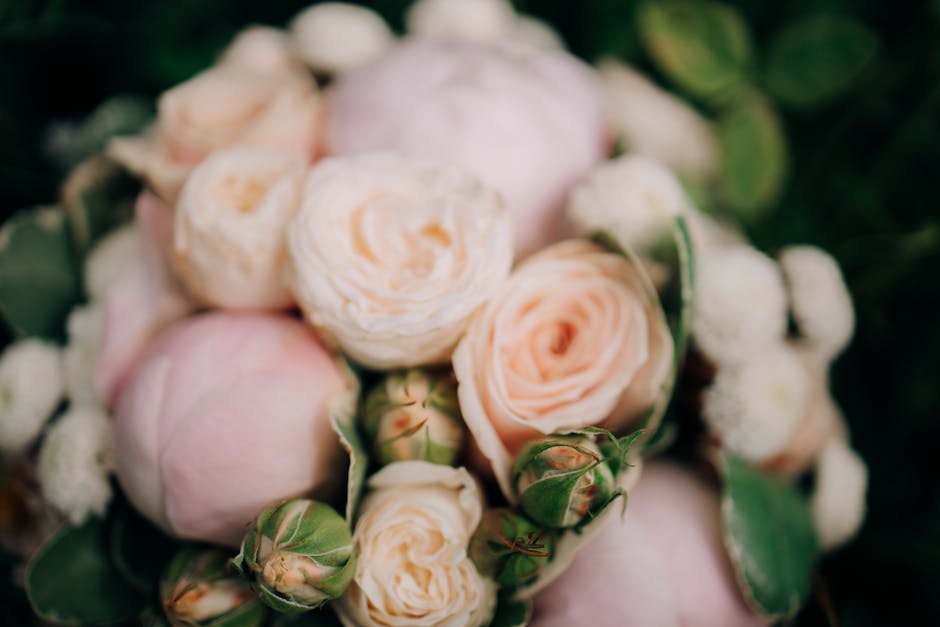
A wedding bouquet is small in size, but it carries a lot of weight. It shows up in nearly every important photo. It is the thing you hold when you walk down the aisle, the detail guests notice close up, and often the floral piece that sets the tone for everything else. In a practical sense, it also helps connect your dress, venue styling, buttonholes, bridesmaid flowers, and table flowers into one coherent look.
That is why a Totteridge Lane florist wedding bouquet guide is useful beyond the bouquet itself. It helps you understand the decisions that sit behind the arrangement: flower choice, seasonality, colour, shape, budget, and timing. Those things matter because a beautiful bouquet is not just about the flowers looking nice in a vase. It has to look good in your hands, survive transport, and stay fresh long enough for the full wedding day.
There is also a local advantage. A florist familiar with North London routines, delivery windows, and venue access tends to be more realistic about logistics. A quiet morning delivery can be arranged differently from a Saturday traffic crunch. That kind of practical knowledge saves stress, and on a wedding day, stress is exactly what you do not want creeping in.
Expert summary: the best wedding bouquet is not always the most elaborate one. It is the bouquet that suits your dress, your schedule, your venue, and your comfort level. When those four things line up, the whole day feels smoother.
How Totteridge Lane florist wedding bouquet guide Works
At a basic level, wedding bouquet planning is a conversation between vision and reality. You bring the style you want. The florist brings flower knowledge, design experience, and the practical know-how to make it happen without drama. In a good process, you should be able to discuss your ideas openly and get honest guidance about what will work best.
Here is how it usually plays out. First, you share the wedding theme, venue style, dress details, colours, and the sort of bouquet shape you like. Then the florist suggests suitable flowers and mechanics. Mechanics is just the behind-the-scenes structure that holds the bouquet together. You usually do not need the technical detail, but it helps to know that a bouquet is designed to stay balanced, comfortable to hold, and stable during the day.
If you are ordering through a florist rather than building every flower decision yourself, you will often be offered a bridal bouquet, bridesmaid bouquets, buttonholes, and perhaps matching table arrangements as part of a wider wedding flowers plan. For example, you might explore the dedicated bridal bouquet options alongside matching bridesmaid bouquets and useful finishing details like buttonholes.
The key thing is that the process should feel guided, not rushed. If you have ever stood in a florist shop trying to describe "soft but not too soft, romantic but not fussy," you will know the value of a florist who can translate vague ideas into something real. Honestly, that is half the job.
Key Benefits and Practical Advantages
There are several reasons couples choose a local florist-led approach for wedding bouquets, and they go well beyond convenience.
- Better visual harmony: a florist can help align bouquet shape, flower size, and colour with the rest of your wedding styling.
- More reliable freshness: locally arranged flowers are usually easier to time for delivery and event-day presentation.
- Less decision fatigue: instead of choosing from hundreds of disconnected options, you get clear recommendations.
- Smarter budget use: a florist can suggest where to spend for impact and where to keep things simple.
- Practical support: bouquets can be designed with transport, handling, and photo time in mind.
Another benefit, often overlooked, is emotional confidence. When the bouquet is sorted properly, one small but very visible part of the wedding feels settled. That can make a surprising difference. You may not think about it much at the time, but you will notice the relief when everything arrives looking ready rather than last-minute.
For couples balancing broader flower needs, it can also be helpful to view the bouquet as part of the full wedding set rather than a standalone item. Matching elements such as a centrepiece from the weddings collection can make the whole event feel more considered without going over the top.
Who This Is For and When It Makes Sense
This guide is for anyone who wants wedding flowers to feel beautiful and manageable at the same time. That includes couples planning a small civil ceremony, a big traditional wedding, a registry office celebration, or a more relaxed reception with just a few floral highlights. If you want your bouquet to look elegant in photographs and still feel easy to carry, you are in the right place.
It is especially useful if you are:
- choosing flowers for the first time and do not know where to start
- trying to match a bouquet to a specific dress or colour palette
- planning a wedding in or around Totteridge and want local delivery confidence
- working to a fixed budget and need sensible guidance
- coordinating bridal flowers with bridesmaid bouquets and buttonholes
- worrying about seasonal availability, which, to be fair, is very common
It also makes sense if you prefer a florist who can steer you toward realistic choices rather than just saying yes to everything. A bouquet that looks stunning on Pinterest may not be the best choice for a breezy outdoor ceremony, a long church service, or a busy summer day with lots of travel between locations. Real-world weddings are a bit messier than mood boards. That is normal.
Step-by-Step Guidance
If you want a simple way to approach bouquet planning, use this process. It keeps the decision-making practical and helps avoid that last-minute, slightly panicked rush that so many couples know too well.
1. Start with the overall wedding feel
Before choosing flowers, think about the mood of the day. Do you want soft and romantic, crisp and modern, natural and loose, or bold and colourful? A bouquet does not have to match every detail exactly, but it should feel like it belongs in the same room as the rest of the wedding.
2. Pick your colour direction
Choose one main colour family and, if needed, one or two supporting tones. White, blush, cream, soft pink, lilac, red, and mixed colour designs all create different impressions. A florist can help you balance warm and cool tones so the bouquet does not look flat in photos.
3. Consider the season
Seasonality affects both availability and feel. Spring bouquets often look lighter and fresher. Summer arrangements can feel fuller and more abundant. Autumn designs may lean richer and warmer. Winter bouquets often benefit from structure and texture. If your chosen flowers are out of season, a florist may suggest close alternatives that keep the same style without forcing the issue.
4. Decide on the bouquet shape
There is no one correct shape. Popular options include round, hand-tied, relaxed garden-style, cascading, and compact modern designs. The right shape depends on your dress, height, comfort, and the overall formality of the wedding.
5. Match the bouquet to the dress and silhouette
A full ballgown can handle a more generous bouquet. A sleek dress often suits a cleaner, more structured design. If your dress already has strong detail, a simpler bouquet can work better. If the dress is minimal, the flowers can carry more of the visual interest. It is all about balance.
6. Confirm what else needs to match
Think about bridesmaid bouquets, buttonholes, corsages, table flowers, and perhaps a ceremony arrangement or two. The florist may suggest matching pieces from collections such as the wedding corsages range or a simple set of table arrangements for continuity.
7. Lock in delivery and timing
Delivery is one of those details people underestimate. Bouquet delivery needs to fit around hair, makeup, photography, and venue access. A good florist will confirm when the flowers will arrive, who will receive them, and how they should be stored until the ceremony.
8. Plan for the handover moment
Small but important: decide exactly who gets what and when. The bouquet should be handed over in a tidy, calm way, not passed around the room while someone is looking for ribbon scissors. Been there, seen that. It happens.
Expert Tips for Better Results
After working through the basics, a few small decisions can make a bouquet look noticeably better and feel easier to manage.
- Choose flowers with mixed texture. Even a simple bouquet feels richer when it includes contrast between larger focal blooms and smaller filler flowers.
- Ask for a hand-tied finish if you want comfort. It often sits naturally in the hand and photographs well.
- Use one standout bloom type sparingly. One strong flower can elevate the whole design, but too many focal points can make the bouquet look busy.
- Think about scent carefully. A lightly scented bouquet is lovely; an overpowering one near the face all day, less so.
- Keep the bouquet size realistic. Very large designs can look dramatic, but they can also be tiring to hold, especially during long photo sessions.
- Bring a dress swatch or clear colour reference. Even a small fabric sample helps with accuracy.
One tip many couples find useful is to ask the florist what flowers will still look good at the end of the day, not just at the start. That is a different question, and a smarter one. Weddings are long. The bouquet should still be lovely when the sun starts to dip and everyone is a bit rumpled from dancing.
If you want a luxurious feel without overcomplicating the design, take a look at the style direction in the luxury flowers range or compare it with simpler seasonal options in best sellers. Sometimes the cleanest design wins.
Common Mistakes to Avoid
Wedding bouquet mistakes are usually not dramatic. They are the small, easily avoidable things that become annoying on the day.
- Leaving the order too late: popular wedding dates get busy quickly, and the best options can narrow.
- Choosing flowers only from pictures: some blooms look lovely online but behave very differently in real life.
- Ignoring scale: a bouquet that is too large can overwhelm a petite bride, while a tiny bouquet can disappear in photos.
- Forgetting the weather: heat, wind, and humidity all affect how flowers perform.
- Not planning storage: flowers need a cool, safe place before use, even if only for a short time.
- Trying to match everything too exactly: perfect matching can feel stiff. Gentle coordination often looks better.
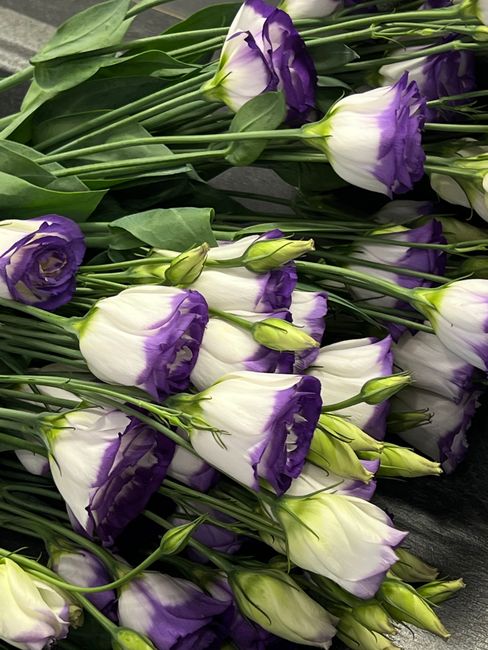
A smaller but surprisingly common issue is overloading the bouquet with every favourite flower at once. The result can feel busy instead of elegant. If you love roses, lisianthus, and hydrangea, for example, that does not mean all three need to dominate. A skilled florist can use one as the lead and let the others support it.
Another thing to avoid: forgetting how your bouquet will sit when you hold it for ten minutes straight, then twenty, then an entire morning of smiles and photos. Comfort matters. Quite a lot, actually.
Tools, Resources and Recommendations
You do not need specialist equipment to plan a wedding bouquet, but a few simple tools make the process smoother.
- Colour swatches or fabric samples: useful for matching flowers to dresses, ties, and decor.
- Venue notes: useful if the florist needs to think about delivery access or indoor/outdoor conditions.
- Photo references: save a few examples of bouquet shapes you actually like, not fifty similar ones.
- Guest and wedding party list: helps when working out how many bouquets, buttonholes, or corsages are needed.
- Timing plan: hair, make-up, travel, and ceremony time all affect delivery logistics.
In terms of flower ranges, it can help to browse wedding-specific items such as a bridal bouquet collection, bridesmaid bouquet options, and matching wedding gifts if you are planning thoughtful extras for the day. For couples who want a more classic white-led style, the white bridal bouquet options can be a helpful starting point.
If you are comparing overall presentation styles, it can also be useful to explore the broader local florist service and the main wedding flowers page to understand what kinds of arrangements are available around your date and budget.
Law, Compliance, Standards, or Best Practice
Wedding flowers are not heavily regulated in the way some industries are, but there are still sensible standards to follow. Good floristry practice matters here. So does clear communication.
If you are arranging wedding flowers in the UK, a few best-practice points are worth keeping in mind:
- Confirm delivery details in writing: date, address, access instructions, and who will receive the flowers.
- Check cancellation and refund terms: wedding orders often involve preparation and perishables, so policies can be specific.
- Ask about substitutions: if a bloom is unavailable, your florist should explain what may be replaced and why.
- Handle flowers safely: keep them cool, away from direct sun, and away from anything that could crush petals or stems.
- Consider venue rules: some venues have restrictions on candle use, confetti, floor arrangements, or late deliveries.
You should also ask about sustainability if that matters to you. Some couples want foam-free designs, locally sourced flowers, or lower-waste packaging. That is becoming more common, and quite rightly so. If sustainability is important to you, see the florist's sustainability information and discuss what can be done within your design preferences.
Finally, keep an eye on the practical terms around payment, returns, and service expectations. Even a beautiful bouquet order benefits from clarity. It avoids awkward surprises, and nobody likes those. The best weddings run on calm agreements, not assumptions.
Options, Methods, or Comparison Table
There is more than one way to approach a wedding bouquet. The best option depends on the look you want, how involved you want to be, and how much flexibility you need on the day.
| Option | Best for | Strengths | Trade-offs |
|---|---|---|---|
| Classic hand-tied bouquet | Romantic, versatile weddings | Comfortable to hold, easy to style, works with many dresses | May feel less dramatic if you want a big visual statement |
| Structured round bouquet | Modern or formal weddings | Clean shape, polished finish, strong in photographs | Can feel less relaxed or natural |
| Loose garden-style bouquet | Soft, seasonal, organic styling | Natural texture, romantic movement, less rigid | Needs good flower balance to avoid looking messy |
| Cascading bouquet | Statement bridal looks | Highly dramatic, elegant flow, memorable silhouette | Heavier to hold, more complex, usually needs careful handling |
| Simple seasonal bouquet | Budget-conscious or understated weddings | Fresh, practical, often great value | Less ornate if you want a highly detailed arrangement |
If you are unsure which direction to go in, start with the dress and venue before the flowers. That often clears the fog. A bouquet should support the overall look, not wrestle with it.
For couples comparing different styles, browsing a few wedding-specific options such as The Perfect Match bridal bouquet and Forever Yours bridal bouquet can help you see how different shapes and tones translate into finished designs.
Case Study or Real-World Example
Here is a simple real-world scenario. A couple planning a late-spring wedding wanted a bouquet that felt soft, light, and modern, but not too formal. The bride had chosen a clean ivory dress with fine lace detail, and the venue was a bright room with large windows. Beautiful space, but it would have swallowed an oversized bouquet.
Rather than pushing for something heavy and showy, the florist suggested a balanced hand-tied bouquet with a gentle mix of white, cream, and pale blush flowers, plus a little texture for movement. The bridesmaids carried smaller coordinating bouquets, and the buttonholes were kept neat and understated. It all worked together without looking over-designed.
The useful part of the process was not just the look. It was the timing. The flowers were delivered with enough margin for the bride to settle in, check the bouquet, and get ready without rushing. The bouquet sat comfortably in the hand, photos looked clean, and the flowers still looked fresh at the reception. Nothing flashy. Just well thought through.
That is usually the sweet spot. When the florist gets the practical details right, the design can breathe. And that, truth be told, is what makes the bouquet feel expensive even when the conversation itself was refreshingly straightforward.
Practical Checklist
Use this checklist before finalising your wedding bouquet order.
- Have you chosen the overall wedding style and colour direction?
- Do you know whether you want a round, hand-tied, loose, or cascading bouquet?
- Have you checked the seasonality of your preferred flowers?
- Do you have a dress photo or fabric swatch to share?
- Have you confirmed the number of bridesmaid bouquets, buttonholes, and corsages needed?
- Do you know the delivery time and who will receive the flowers?
- Have you discussed substitutions for unavailable blooms?
- Have you considered weather, venue access, and how long the bouquet will need to stay fresh?
- Have you reviewed payment, cancellation, and refund terms?
- Have you asked about storage and care on the day?
If you can tick most of those off, you are in good shape. Not perfect, just properly prepared. That is enough.
Quick takeaway: the smoothest wedding bouquet plans are the ones that balance style, season, comfort, and timing. Keep those four things in view and the rest becomes much easier.
If you are ready to move from inspiration to planning, speak with a florist who understands both the creative and practical sides of wedding flowers. A short conversation can save a lot of second-guessing later.
Get a free quote today and see how much you can save.
Conclusion
A good wedding bouquet should do more than look lovely. It should feel like part of the day, sit comfortably in your hand, hold up well through the photos, and reflect the mood you want to create. That is the real value of using a thoughtful Totteridge Lane florist wedding bouquet guide instead of guessing your way through flower choices.
If you take anything from this article, let it be this: start with the feel of the wedding, then let the bouquet follow. Keep one eye on beauty and one eye on practicality. When those two things work together, the result is usually much better than the most expensive or complicated design on offer.
And if you are still undecided, that is perfectly normal. A good florist can help turn a few loose ideas into something elegant, personal, and genuinely you. The right bouquet has a way of making the whole day feel more complete. Quietly, beautifully complete.
Frequently Asked Questions
What should I bring to my wedding bouquet consultation?
Bring a photo of your dress if you have one, a colour swatch if possible, any venue images, and a few bouquet styles you like. You do not need to have every detail worked out. A good florist can help shape the rest.
How far in advance should I order a wedding bouquet?
It is sensible to book well ahead, especially for popular wedding dates. The exact timing varies, but leaving it until the last minute can limit your flower choices and make planning more stressful than it needs to be.
Can my bouquet match my bridesmaids' flowers without looking identical?
Yes, and that is often the better choice. Matching in tone, texture, or flower family usually looks more polished than making every bouquet identical.
What is the difference between a hand-tied bouquet and a structured bouquet?
A hand-tied bouquet usually has a more natural, gathered feel and sits comfortably in the hand. A structured bouquet tends to have a more defined shape and a cleaner, more formal look.
How do I choose flowers that will last all day?
Ask your florist which blooms are sturdy for the season and venue conditions. Durability depends on flower type, weather, handling, and how long the bouquet needs to stay fresh before and after the ceremony.
Can I get wedding flowers on a tighter budget?
Yes. A simpler bouquet, fewer flower types, and smart seasonal choices can create a lovely result without unnecessary spend. Sometimes a well-designed modest bouquet looks better than an overcomplicated one.
Should the bouquet match the venue or the dress first?
Usually the dress and overall style come first, then the venue helps refine the decision. The bouquet should feel right in both settings if possible, but the dress is often the anchor point.
What if my chosen flowers are out of season?
Your florist can suggest close alternatives with a similar look or feel. This is common, and it often leads to a more practical bouquet with less risk and better value.
Do wedding bouquets need special care on the day?
Yes. Keep them cool, away from direct sunlight, and out of the way of busy foot traffic. A bouquet does not need fussing over every minute, but it does need sensible handling.
Can I order bridesmaid bouquets and buttonholes at the same time?
Absolutely. In fact, it is usually easier to plan the whole floral set together so the colours and flower styles work as a family rather than as separate pieces.
Are luxury wedding bouquets always better than simple ones?
Not necessarily. A simple bouquet can look refined, elegant, and highly appropriate if it suits the dress, venue, and overall tone of the wedding. "Better" is really about fit.
What should I ask about delivery?
Ask when the flowers will arrive, who will take delivery, whether there are access issues, and what storage is recommended before use. Those little details help the day run smoothly.
Can a florist help with the rest of the wedding flowers too?
Yes, and that can be very helpful. Many couples choose matching table arrangements, corsages, buttonholes, or ceremony flowers so the whole event feels cohesive.
Is sustainability something I can request for wedding flowers?
Yes. You can ask about locally sourced flowers, reduced packaging, and foam-free designs. The exact options depend on the bouquet style and season, but it is a perfectly reasonable conversation to have.
What is the biggest mistake people make with wedding bouquets?
The biggest mistake is often waiting too long and then rushing the decision. The second biggest is choosing a bouquet that looks beautiful in theory but does not work for the dress, season, or day-long handling.