Corporate flowers for Totteridge office reception and events
Posted on 24/09/2026
If you run a reception desk, manage an office, or organise events in Totteridge, you already know how much the small details matter. Fresh flowers are one of those details. They soften a space, make a lobby feel cared for, and quietly tell visitors that you notice presentation. Corporate flowers for Totteridge office reception and events are not just decoration; they are part of the experience people have before anyone has even said hello.
In a busy office, flowers can do a surprising amount of work. They can make a boardroom feel calmer before a client meeting, help a reception look polished on a Monday morning, and add that finishing touch to a company party or launch. The challenge is getting it right without creating extra admin. That is what this guide is for: practical advice, clear decisions, and a sensible way to plan flowers that actually suit your space.
We will look at how corporate flowers work, what styles suit reception areas and events, what to avoid, and how to choose arrangements that look good for more than five minutes. Because let's face it, nobody wants a lovely display that droops by lunchtime.
Table of Contents
- Why Corporate flowers for Totteridge office reception and events Matters
- How Corporate flowers for Totteridge office reception and events Works
- Key Benefits and Practical Advantages
- Who This Is For and When It Makes Sense
- Step-by-Step Guidance
- Expert Tips for Better Results
- Common Mistakes to Avoid
- Tools, Resources and Recommendations
- Law, Compliance, Standards, or Best Practice
- Options, Methods, or Comparison Table
- Case Study or Real-World Example
- Practical Checklist
- Conclusion
- Frequently Asked Questions
Why Corporate flowers for Totteridge office reception and events Matters
Reception areas are strange little spaces. They are not quite public, not quite private, and they often have to do several jobs at once. They welcome clients, support staff, handle waiting visitors, and set the tone for the whole building. Flowers help a reception feel finished rather than functional. That matters more than people think.
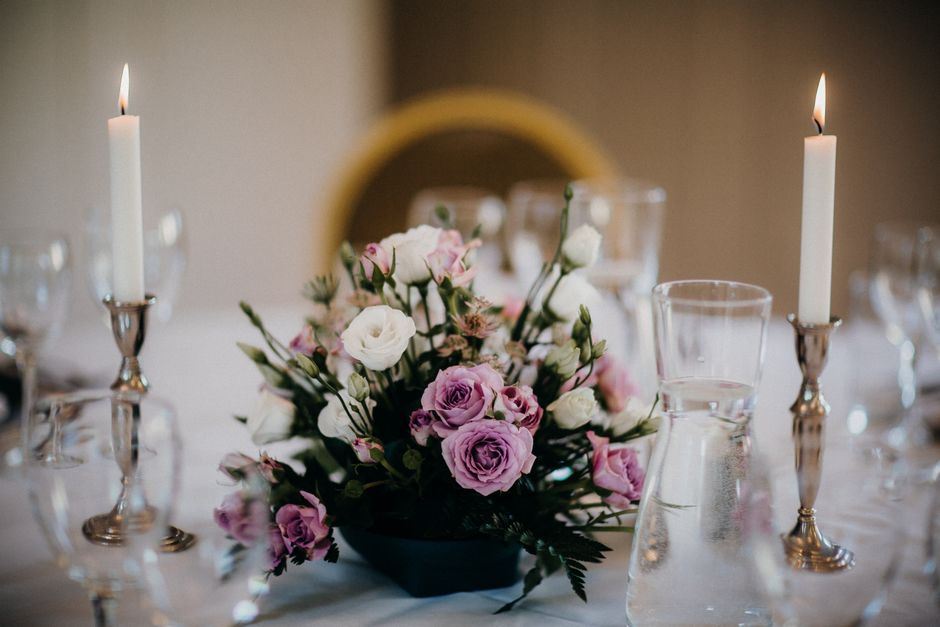
In Totteridge, where many businesses value a calm, polished feel, floral design can support the brand without shouting for attention. A simple arrangement on a reception counter may say "professional and organised" far more effectively than another poster or sign ever could. At events, flowers help define zones, guide the eye, and create a sense of occasion without making the room feel stiff.
There is also a practical side. Fresh flowers can subtly reduce the sense of a hard, anonymous office environment. A room with natural texture, colour and scent tends to feel more welcoming. Not every visitor will consciously notice the flowers, but they will usually notice the atmosphere. That bit is real.
For companies that host interviews, client briefings, networking evenings, product launches, or internal celebrations, flowers can do one more useful job: they make the venue feel cared for. If someone has gone to the trouble of arranging the space properly, people assume the same level of care goes into the rest of the business. Fair or not, that is how first impressions work.
Expert summary: Good corporate flowers are not about being flashy. They are about consistency, proportion, and a style that supports the room rather than competing with it.
How Corporate flowers for Totteridge office reception and events Works
The process is usually simpler than people expect. You do not need to become a flower expert overnight. A good florist will start by understanding the space, the purpose of the flowers, and how often the arrangement needs to be refreshed. In practice, the brief is often about function first and flowers second.
For reception flowers, the key questions are usually: How large is the desk? Is the area bright or low light? Do visitors stand close to the arrangement or pass by quickly? Is the look meant to be classic, modern, understated, or more luxurious? Those answers shape the size, colour palette, and vessel choice.
For events, the planning goes a little deeper. You need to think about the event schedule, table layouts, photography, branding, and how people will move through the space. A centrepiece that looks elegant in a wide room can feel awkward on a crowded networking table. Conversely, tiny arrangements can disappear in a large function room. Scale matters a lot. More than people expect, truth be told.
Most corporate flower arrangements are built around one of a few common setups:
- Reception desk arrangements for daily impact
- Weekly or fortnightly office refreshes
- Event centrepieces for meetings, launches, dinners, or conferences
- Branded colour schemes for seasonal campaigns or company milestones
- Statement pieces for entrance areas, lobbies, or media moments
Some businesses also prefer a rotation of seasonal flowers so the office does not feel repetitive. That approach can be very effective, especially if your team sees the flowers every day. The room stays fresh, and the scent and colour subtly change with the season.
If you are looking at broader delivery options for Totteridge, you may also want to explore flower delivery Totteridge N20 for occasions where a one-off delivery is enough, or a local florist in Totteridge N20 when you need arrangements tailored to the exact space.
Key Benefits and Practical Advantages
The obvious benefit is appearance, but the real value goes deeper. Good office flowers support the way a business feels to work in, visit, and remember.
- They improve first impressions. A tidy reception with flowers feels considered and credible.
- They help events feel intentional. Even simple floral styling can make a room feel planned rather than improvised.
- They support wellbeing in subtle ways. Colour and greenery can make a stark room feel less flat.
- They can reinforce brand identity. The right palette can echo brand colours or seasonal campaigns.
- They work for photos. If your event will be photographed, flowers often lift the whole image.
- They can be changed to match the tone. Soft whites for a formal board meeting, brighter colours for a launch, or a calmer palette for a reception.
There is also a quieter benefit: flowers can smooth over the little rough edges of an office day. A Monday morning reception that looks cared for feels better than one that looks forgotten. That sounds minor, but the effect can be surprisingly strong.
If budget matters, it is worth knowing that the best results do not always come from the most expensive flowers. A well-composed arrangement using strong shapes and sensible vessel choices can look smarter than a costly but cluttered design. Style is about restraint as much as variety.
For businesses balancing image and value, browsing options such as luxury flowers or budget flowers can help you compare the feel you want against the spend you are comfortable with.
Who This Is For and When It Makes Sense
Corporate flowers make sense for more businesses than people realise. They are not only for big law firms or polished hotel receptions. In Totteridge, they can suit a wide range of organisations that want their space to feel more welcoming and less bare.
You may benefit from corporate flowers if you are:
- A professional services office welcoming clients and partners
- A medical, wellness, or consultation practice wanting a calmer waiting area
- A property, finance, or consultancy business hosting regular meetings
- An event organiser planning seminars, dinners, private launches, or award nights
- A small business that wants to look more established than it feels behind the scenes
- A workplace running seasonal events, staff celebrations, or client hospitality
It also makes sense when your reception area is visually busy already. Strange as it sounds, flowers can actually simplify a space if chosen well. A single elegant arrangement can tie together furniture, signage and lighting. The key is not adding clutter. It is adding focus.
Some teams bring flowers in only for special occasions, while others prefer a standing arrangement every week. If you are not sure which route to take, start with a one-off delivery or a short-term trial. That way you can see what suits the room before committing to a regular plan. Saves a lot of guesswork.
Step-by-Step Guidance
If you want the result to look polished rather than improvised, a simple process works best. Here is the practical version.
- Define the purpose. Are the flowers for reception, a meeting room, a launch event, or a private dinner? The answer changes everything.
- Measure the space. Desk width, table size, ceiling height, and walking routes matter. A display can be beautiful and still be in the wrong place.
- Choose the tone. Formal, modern, seasonal, colourful, understated, celebratory, or luxury. Pick one direction and stick to it.
- Decide on the maintenance level. Do you need flowers that last several days, or is the event a one-night moment?
- Set the colour palette. Neutral whites and greens are often safe in reception spaces. Stronger colours can work beautifully for events.
- Check practicality. Avoid arrangements that block conversation, drip on surfaces, or need constant repositioning.
- Plan delivery timing. For events, timing matters more than people think. Flowers arriving too early may wilt; too late, and someone is rushing around with scissors at the worst moment.
- Review and refine. After the first delivery, assess how the flowers looked in the room, not just in the florist's photos.
A small but useful tip: look at the arrangement from the perspective of someone walking in from the street. Does it read as welcoming within three seconds? If yes, you are probably on the right track.
For businesses that want more structured support, a corporate account can be useful. It makes repeat ordering, invoicing and planning much easier. You can learn more about that route through corporate accounts.
Expert Tips for Better Results
After years of helping businesses choose flowers, a few patterns show up again and again. The best corporate arrangements are rarely the most crowded ones. They are balanced, practical, and built around the room rather than around the bouquet itself.
1. Match the flowers to the architecture
High ceilings usually suit taller, more vertical designs. Low desks and compact meeting rooms often work better with low, broad arrangements. If the room is full of sharp lines and glass, softer shapes can help. If the room is already soft and plush, a cleaner arrangement can stop it feeling overdone.
2. Keep scent under control
Strong fragrance can be a problem in reception areas or meeting spaces. Some people love it; others get a headache. That is not a risk worth taking when clients or visitors are involved. If in doubt, go for lighter-scented flowers or low-fragrance combinations.
3. Think about camera angles
Many office events now end up in photos, whether for internal use, websites, or social media. Flowers near a branded backdrop or welcome table can make a huge difference. Just keep them from blocking logos or faces. Obvious, yes, but it gets overlooked all the time.
4. Use seasonality wisely
Seasonal flowers often look more natural and feel less forced. They can also be easier to source and keep fresh. A spring reception palette feels different from an autumn event display, and those shifts can keep your office looking considered year-round.
5. Choose the vessel as carefully as the flowers
Vases, bowls, baskets and containers change the whole feel. A classic glass vase suggests clean formality. A ceramic bowl can feel warmer. A basket can soften a more corporate environment. The container is not just packaging; it is part of the design.
If you need inspiration for styles that travel well and suit different spaces, browsing the wider selection of all flowers, flowers in a vase, or even florist choice can help you see what feels appropriate before committing.
Common Mistakes to Avoid
Most floral problems in offices are not dramatic. They are just annoying. A vase that is too tall. Colours that clash with the room. Flowers that look lovely for one day and tired by the next. Easy to avoid, once you know what to watch for.
- Choosing arrangements that are too large. Big is not always better, especially on a reception desk.
- Ignoring sightlines. Flowers should not block people from seeing the front desk, signage, or each other.
- Using too many colours at once. A busy mix can look accidental rather than stylish.
- Forgetting maintenance. If nobody knows who is refreshing water or clearing petals, the display can slip quickly.
- Picking highly scented blooms for shared spaces. Beautiful, yes. Practical, not always.
- Ordering too late for events. The best plans are the boring ones, frankly. They arrive on time.
One easy mistake is assuming the flowers need to be very "corporate". They do not. That usually translates into dull. The goal is not to remove personality; it is to keep it controlled. There is a difference, and a pretty big one.
If an arrangement is intended for regular office use, it helps to choose something that can hold up for the full working week. For that reason, many teams prefer structures with robust stems and longer-lasting varieties rather than delicate, short-lived blooms.
Tools, Resources and Recommendations
You do not need specialist software to manage corporate flowers, but a few simple tools make the process easier and more reliable.
- A shared calendar. Useful for booking recurring deliveries and event dates.
- Space photos. A couple of clear pictures of the reception desk or venue entrance help a florist advise accurately.
- Basic measurements. Width, height and any obstructions make planning much smoother.
- Brand colours or mood references. Even rough notes are useful if you want flowers to fit a campaign or event style.
- Delivery instructions. Building access, reception hours, and the best drop-off point can prevent small delays.
As for flower categories, some varieties are especially useful in corporate settings because they hold shape well and look neat in a professional environment. Depending on the season and style, you might look at lilies for a formal feel, roses for classic elegance, alstroemeria for longevity, or carnations for a tidy and durable option.
For seasonal impact, you may also want to consider autumn flowers or summer flowers when you want the room to reflect the time of year without feeling themed or gimmicky.
And if you are planning for events that need a little more presence, luxury flowers can be a sensible route for entrances, VIP tables, and launches where presentation matters most.
Law, Compliance, Standards, or Best Practice
Corporate flower arrangements are not usually a heavily regulated service in the way that food, medicine or construction might be, but there are still sensible standards to keep in mind. In a workplace setting, best practice matters because you are dealing with shared spaces and public-facing areas.
Here are the main points to think about:
- Access and safety: arrangements should not obstruct exits, walkways, or accessibility routes.
- Surface protection: use containers that do not leak or damage desks, counters, or tables.
- Allergen awareness: consider fragrance and pollen levels, especially in shared or client-facing areas.
- Trip and spill risk: especially relevant at events where cables, stands, glasses, and guests all compete for space.
- Waste handling: old flowers and packaging should be removed promptly so they do not affect the space.
If the flowers are part of a larger event, it is wise to align them with venue rules, fire safety requirements, and any internal health-and-safety procedures. Nothing dramatic there, just common sense, but it really does matter. A beautiful table display is not worth creating a blocked fire route or a wet patch near a power lead.
Businesses that host regular events may also want a supplier who can work around building access, reception hours and delivery windows without turning every order into a small crisis. Quiet reliability is a compliance issue in its own practical way.
Options, Methods, or Comparison Table
Not every corporate flower setup works the same way. The right choice depends on the room, the budget, and how often you need fresh flowers. Here is a simple comparison to help.
| Option | Best for | Strengths | Trade-offs |
|---|---|---|---|
| One-off reception arrangement | Visits, launches, special meetings | Easy to arrange, good for occasional impact | Needs re-ordering each time |
| Recurring weekly flowers | Busy receptions, consistent brand presentation | Always fresh, low effort once set up | Requires a regular schedule |
| Event centrepieces | Conferences, dinners, networking events | Strong visual impact, flexible styling | May need coordination with venue layout |
| Seasonal rotation | Businesses wanting variety through the year | Feels current and thoughtful | Needs planning and a bit of oversight |
For many Totteridge offices, a recurring delivery schedule is the sweet spot. It keeps the space looking cared for without creating more work for the office team. If you only need flowers for the occasional event, a one-off arrangement may be enough. There is no single perfect answer, which is mildly annoying, but also useful because it means you can tailor it properly.
Case Study or Real-World Example
Picture a small professional office in Totteridge that hosts weekly client meetings and the occasional evening reception. The reception area is clean but a little stark: pale walls, a dark desk, and not much else. Staff want it to feel warmer without making it look overly decorative.
The first step is simple. They choose a low, elegant arrangement for the reception desk in a white or soft neutral palette. Nothing too tall. Nothing too scented. The flowers sit neatly without blocking the line of sight to the receptionist or the visitor badge tray.
For a client evening, the same business adds a few matching arrangements to the drinks table and one statement display near the entrance. The look is cohesive, but not identical everywhere. That matters because a reception flower arrangement that works at 9 a.m. may need adapting for a 6 p.m. event with lower light and more people moving around.
The result is not flashy. It is just better. Clients arrive to a room that feels ready. Staff do not have to explain or apologise for the space. And, oddly enough, the office starts to feel more like the business they want it to represent.
That kind of improvement is easy to underestimate. Then once you have it, you miss it immediately if it disappears.
Practical Checklist
Use this quick checklist before placing your order or confirming an event design.
- Have you confirmed the exact space the flowers will go in?
- Do you know whether the flowers are for daily reception use or a one-off event?
- Have you chosen a style: classic, modern, seasonal, understated, or luxury?
- Are the colours aligned with the room, brand, or event theme?
- Have you checked fragrance and pollen concerns?
- Will the arrangement block desks, signage, or guest movement?
- Do you need regular deliveries or just a single order?
- Have you thought about the vase, container, or base material?
- Is there a clear delivery window and access instruction?
- Do you know who will receive the flowers on arrival?
If you can tick most of those off, you are in good shape. If not, that is fine too. Better to pause and plan than rush into something that looks lovely in theory and slightly awkward in the room.
Get a free quote today and see how much you can save.
Conclusion
Corporate flowers for Totteridge office reception and events are about more than appearance. They help set a tone, support the way a business feels, and make everyday spaces more inviting. The best arrangements are the ones that suit the room, the people using it, and the pace of the business.
Keep the design practical. Keep the timing sensible. Choose flowers that fit the space rather than forcing the space to fit the flowers. That approach nearly always works better, and it tends to feel more natural too.
Whether you need a calm reception display, a stylish event centrepiece, or a recurring office refresh, a thoughtful floral plan can make a real difference. Small detail, yes. But small details are often what people remember first.
And if the room feels a little brighter, a little calmer, and a little more welcoming at the end of the day, that is a good result in anyone's book.
Frequently Asked Questions
What are corporate flowers used for in an office reception?
They are used to make the reception feel welcoming, professional, and visually finished. A good arrangement can soften the room, support the brand, and improve the first impression for visitors and clients.
How often should office flowers be replaced?
That depends on the flowers, the room temperature, and how much use the space gets. Many offices choose weekly or fortnightly refreshes, but some displays can last longer if they are well chosen and cared for.
What flowers are best for corporate events?
There is no single best choice, but roses, lilies, alstroemeria, carnations, and seasonal mixed arrangements are commonly used because they can suit a wide range of event styles and hold up well in professional settings.
Can flowers be matched to our brand colours?
Yes, usually. A florist can often work with a palette that reflects your brand without making the arrangement look too literal. That subtlety matters. You want an echo, not a billboard.
Are scented flowers suitable for office receptions?
Sometimes, but you need to be careful. Strong fragrance can be overpowering in enclosed spaces or affect people who are sensitive to scent. Lighter fragrance or low-fragrance flowers are often safer for shared environments.
How do I choose the right size arrangement for a reception desk?
Measure the desk and think about sightlines. The arrangement should look balanced without blocking signage, paperwork, or the person behind the desk. In many cases, a lower design works better than a tall one.
What is the difference between reception flowers and event flowers?
Reception flowers are usually chosen for consistency, durability, and everyday presentation. Event flowers are more about impact, theme, and photography, so they often need more coordination with the venue and schedule.
Do corporate flowers need any special compliance checks?
Not usually in a formal sense, but they should still follow workplace best practice. Keep walkways clear, avoid leak risks, be mindful of allergens, and make sure displays do not interfere with safety routes or access.
Can I order flowers for a one-off business event in Totteridge?
Yes. A one-off delivery is a sensible option for meetings, launches, parties, or client events. If you only need flowers occasionally, that can be a simple and cost-effective route.
Is it worth having a corporate flower account?
If you order regularly, yes, it can be very useful. It helps with repeat scheduling, billing, and consistency. For a busy office, that removes a surprising amount of admin.
What should I send to the florist before ordering?
Photos of the space, rough measurements, delivery details, desired colours, and the occasion are the most useful starting points. If you can explain how the room is used, even better.
How can I make flowers last longer in an office?
Keep them away from direct heat, drafty spots, and fruit bowls; change water as needed; and trim stems if the arrangement is designed for maintenance. A good florist will also choose varieties that suit longer display times.